Circumbendibus: You Say You Want a Revolution?
July 4, 2026
- Author
- Lisa Patterson
As we look toward this July’s nationwide celebrations for the 250th anniversary of the Declaration of Independence, it is easy to forget the Revolution wasn’t just won in the grand halls of Philadelphia.
It was won in the mud of the Carolinas, along the banks of the Catawba River, and in the “Hotbed of Rebellion” that surrounds the land on which Davidson College is built.
In these pages, we’re offering up some local lore and a bit of cultural context—from the powdered wigs that defined 18th century swagger to the Enlightenment texts that fueled the minds of 1770s intellectuals.
We’ll even teach you some Revolutionary slang, so you’ll know exactly how to call out a Tory at your next July 4th cookout.
Did You Know?
While Charlotte earned the nickname "Hornet's Nest" from the British, the region was already a complex landscape of diplomacy. To the West, the Cherokee fought a desperate war to hold their borders, while in Mecklenburg, the Catawba Nation risked everything—even seeing their villages burned by Cornwallis—to support the American cause.
General William Lee Davidson
Ghost in the Graveyard
![[ALT TEXT]](https://www.davidson.edu/sites/default/files/2026-06/ghost-of-general-davidson.png)
At the Battle of Cowan's Ford, fought on Feb. 1, 1781, American Gen. William Lee Davidson and 500 militia men were tasked with holding off Lord Cornwallis's army at the Catawba River. Davidson was shot through the heart and killed instantly, but his militia's stand served as a crucial "speed bump," buying Gen. Nathanael Greene precious time to escape Cornwallis's army.
The British stripped the felled Davidson of his clothing and personal effects, leaving him naked in the mud. His men snuck back across enemy lines after dark to claim his body. They wrapped him in a coat and rode to Hopewell Presbyterian Church Cemetery, where they buried him by torchlight.
The old battlefield now rests under Lake Norman, but witnesses have claimed to see a shadowy figure on horseback galloping through the cemetery or along Beatties Ford Road.
The land for Davidson College was donated by William Lee Davidson II, the General's son, and the college named in the General's honor.
18th Century Uber
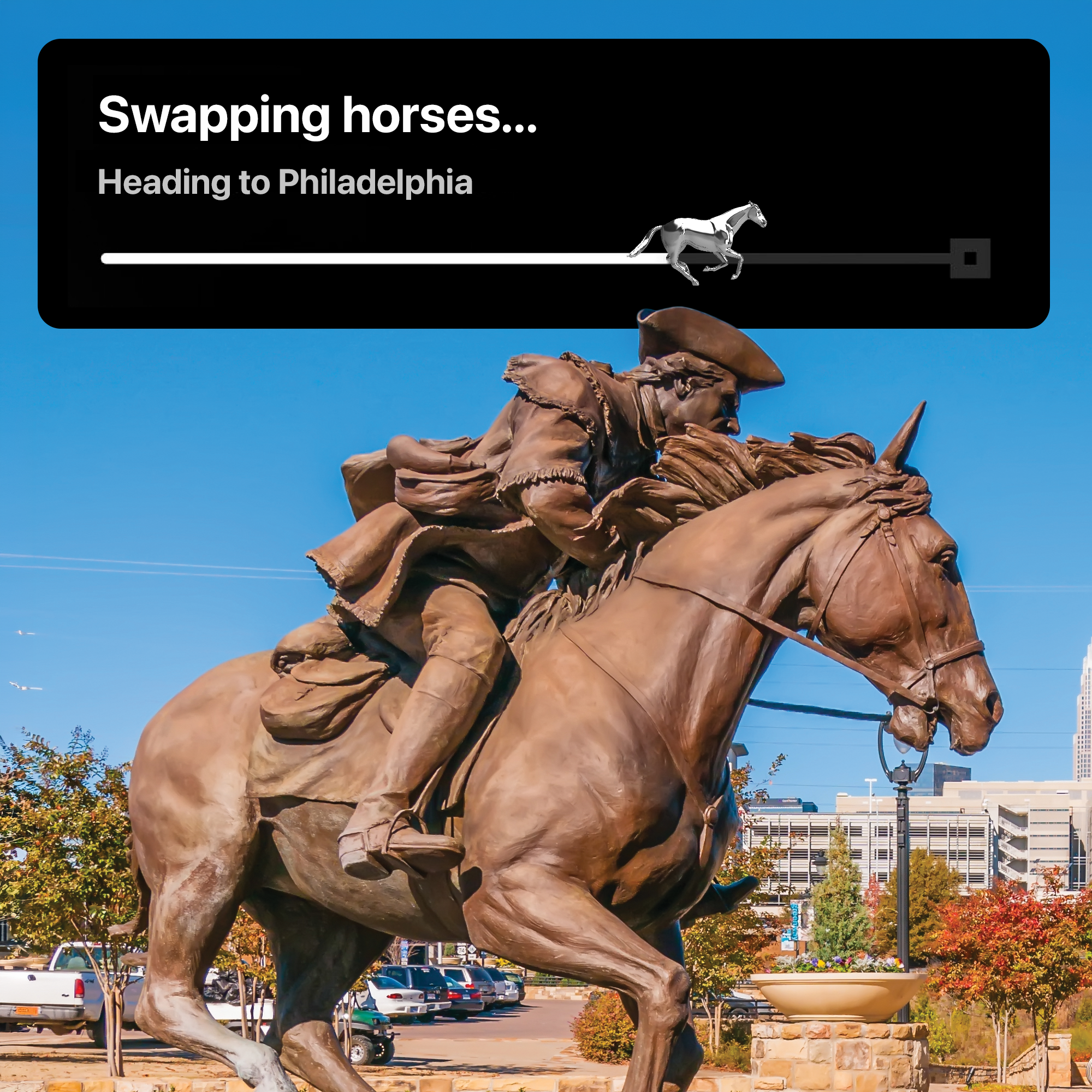
Legend has it, Captain James Jack is Charlotte's Paul Revere, but with a much longer commute.
After the Mecklenburg Resolves were signed, Captain Jack rode 1,100 miles round-trip to Philadelphia to hand them to the Continental Congress. The delegates there basically told him, "This is a bit too radical, slow down."
1,100 miles, several horse swaps and zero GPS.
What's in a Word
Barking Irons
: Pistols
Adam's Ale
: Water
Give 'em Jessie
: To give someone a sound thrashing
Skulker
: Someone hiding in the bushes to avoid the fight (the ultimate insult)
Kedge
: Doing well
Chuffy
: Surly or impolite
Gut-Foundered
: Very hungry
Savvy
: To know or understand
Twistical
: Unfair or immoral
Fact or Fiction?
The Great MecDec Debate
Imagine 27 men crammed into a small log courthouse at Trade and Tryon in May 1775. They weren't just protesting; they were declaring themselves a "free and independent people" over a year before the rest of the colonies. There is no known surviving original copy of the Mecklenburg Resolves, fondly known as the MecDec, but the Davidson College archive contains two replicas. Davidson resident and author David Fleming tackles the mystery in Who's Your Founding Father: One Man's Epic Quest to Uncover the First, True Declaration of Independence.
Many of these men lost their homes, their health or their loved ones to the war. Signing a declaration wasn't just a photo op; it would have been a death warrant if the British prevailed.
Hair Ware
The history of 18th-century hair is a wild mix of high fashion and pantry staples.
Material Considerations
While there were trends, the choice of hair usually came down to budget.
Men
High-end wigs were made of human hair. Middle-to-lower-end wigs were made from horsehair, goat hair, yak hair or cow tails. Horsehair was prized for being stiff, which helped the wig hold curls.
Women
Most women did not wear full wigs. Instead, they wore their own hair extremely long and supplemented it with hairpieces or false hair (human or animal) to add volume. They used rats (pads made of wool or discarded hair) to create the towering heights seen in the 1770s.
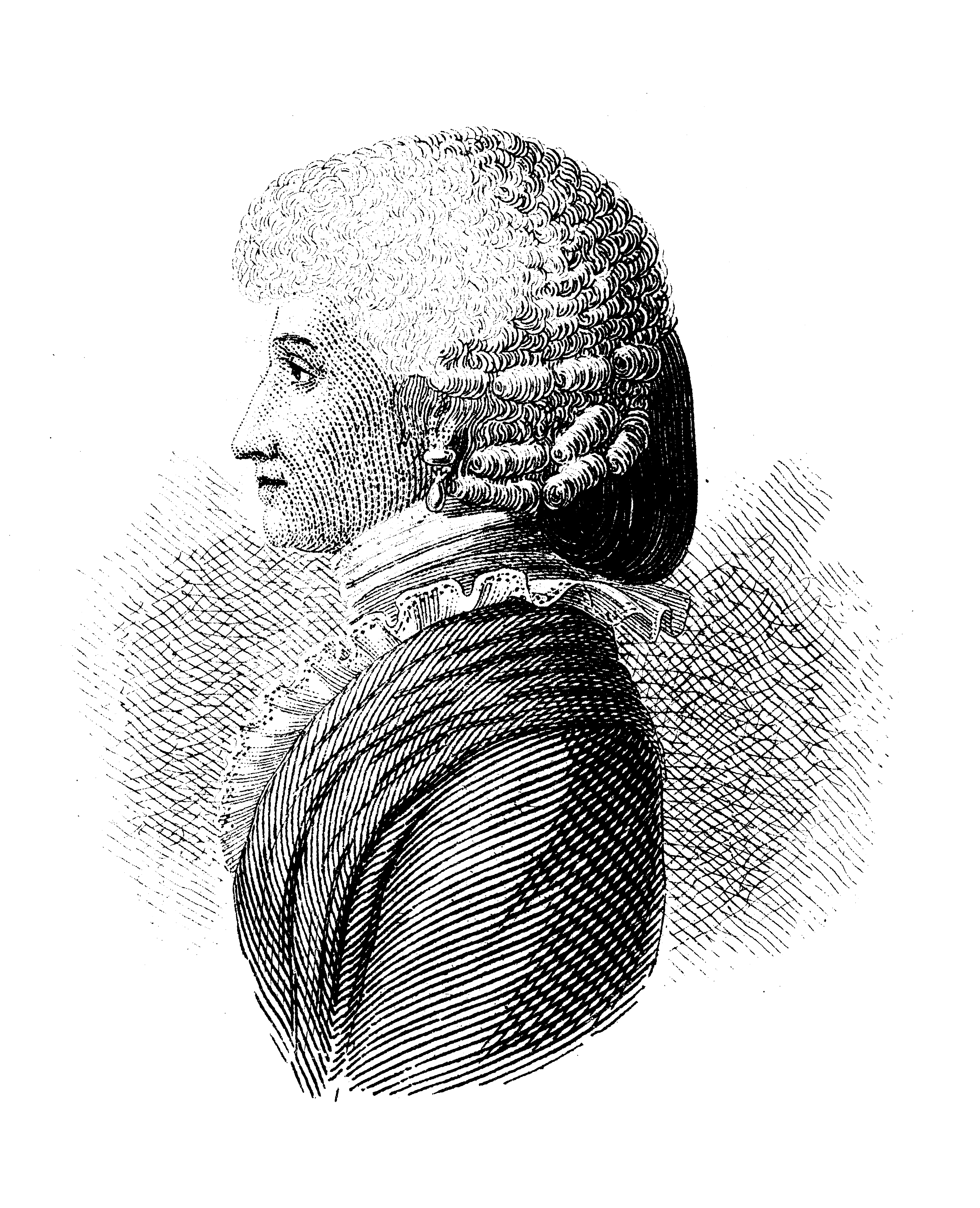
Flour Power
If you were a "person of quality," your morning routine involved more groceries than you'd expect:
Glue
To get the hair to stay in place, people used pomade made of beef tallow or bear grease (scented with lavender or cinnamon to mask the smell of rancid animal fat).

Powder
Many people used wheat or corn flour. In times of famine, the practice led to civil unrest because the wealthy were using the "bread supply" to powder their heads. It's estimated that during King George III's reign, the British army used 6,500 tons of flour every year for wig powder.
Wig Words
Some 18th-century turns of phrase we still use today.
Big Wig
We still use this term today for someone important. Back then, the bigger and more elaborate your wig, the more money and status you supposedly had.
Yankee Doodle
When the song says he "stuck a feather in his cap and called it macaroni," it's a hair joke. A "macaroni" was an 18th-century hipster who wore an absurdly tall wig with a tiny hat on top. The British soldiers were mocking the colonists for their lack of style.
Frontier Philosophers
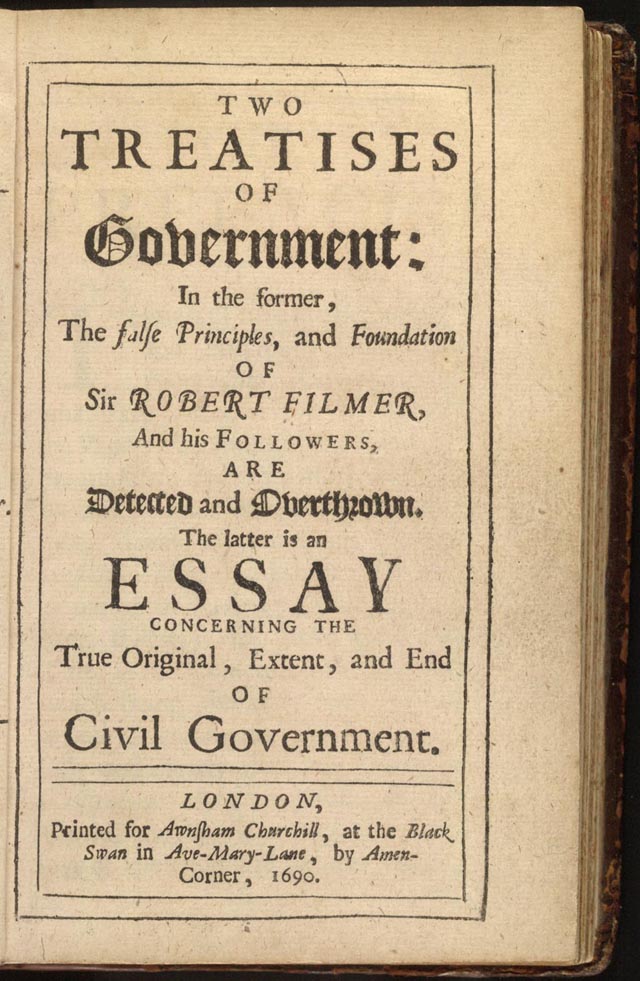
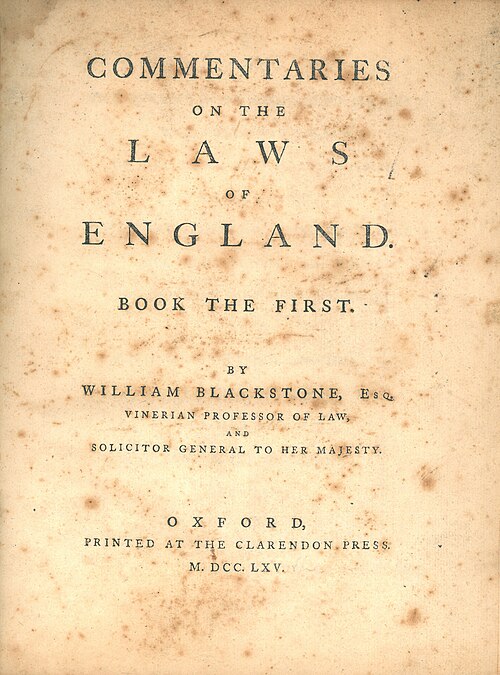
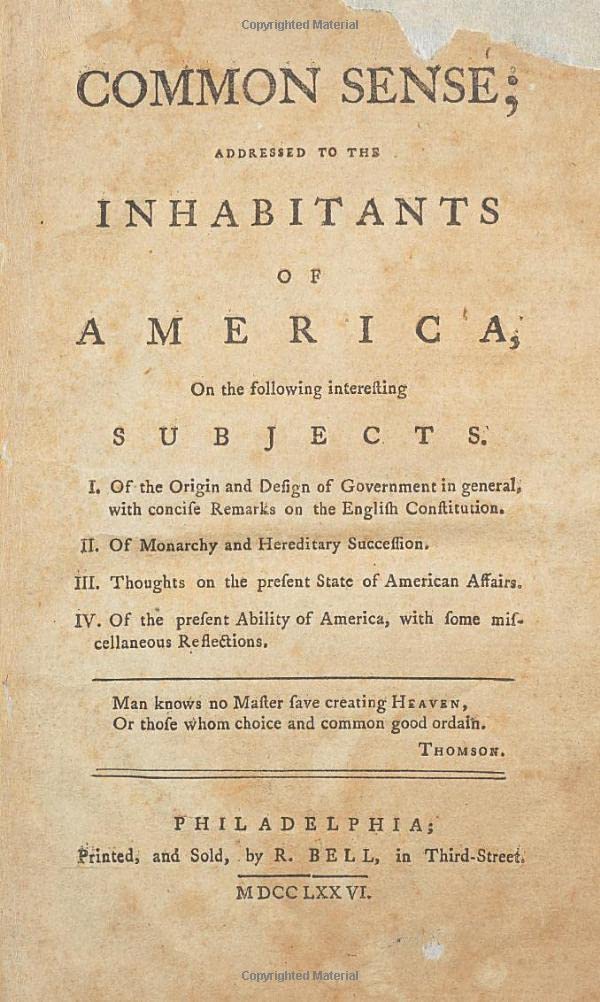
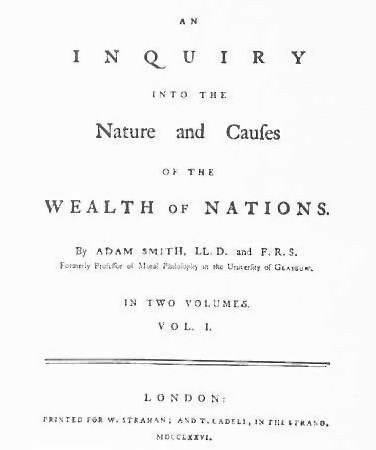
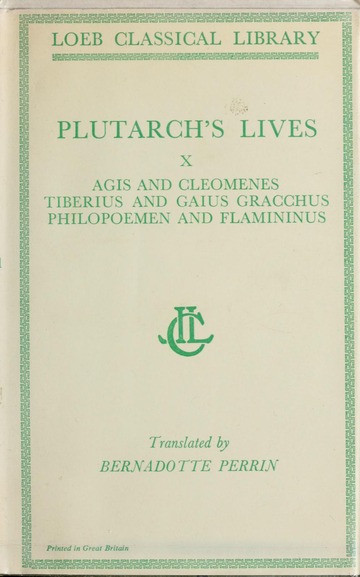
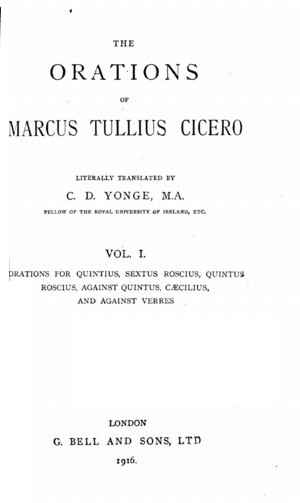
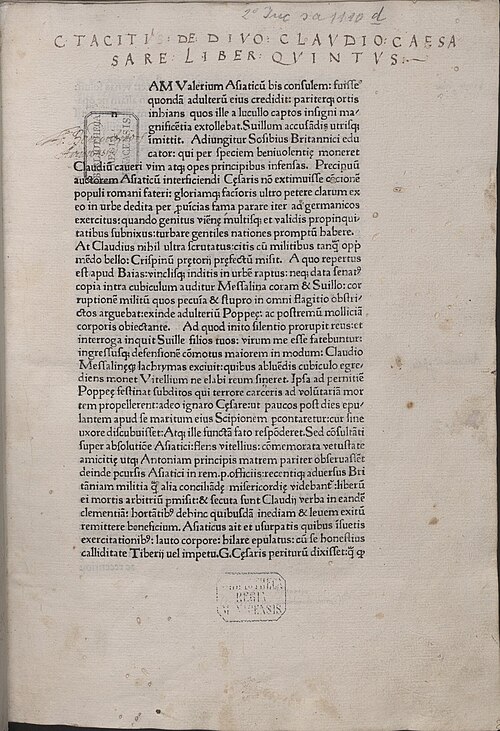
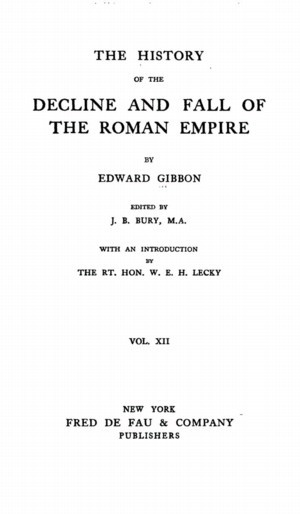
What were the intellectuals who drafted the Mecklenburg Resolves reading?
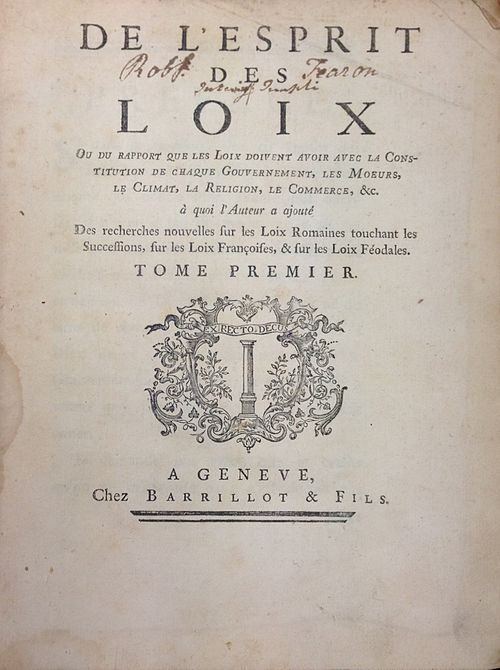
Receipt for Revolution
Local lore has it that just up the road from Davidson College, a patriotic widow named Elizabeth Maxwell Steele presented Gen. Nathanael Greene with two bags of gold and silver coins. That donation to the continental cause helped keep Greene's army moving long enough to exhaust Lord Charles Cornwallis, leading to the British surrender at Yorktown.
Roughly equivalent to $150,000–$300,000 today, assuming the bag held 50 to 100 guineas, that gold could have purchased military supplies to feed a small regiment for weeks, a dozen healthy horses or 2,000 to 4,000 pounds of iron for horseshoes and wagon repairs.

Charlottetown, As Told by President George Washington circa 1791
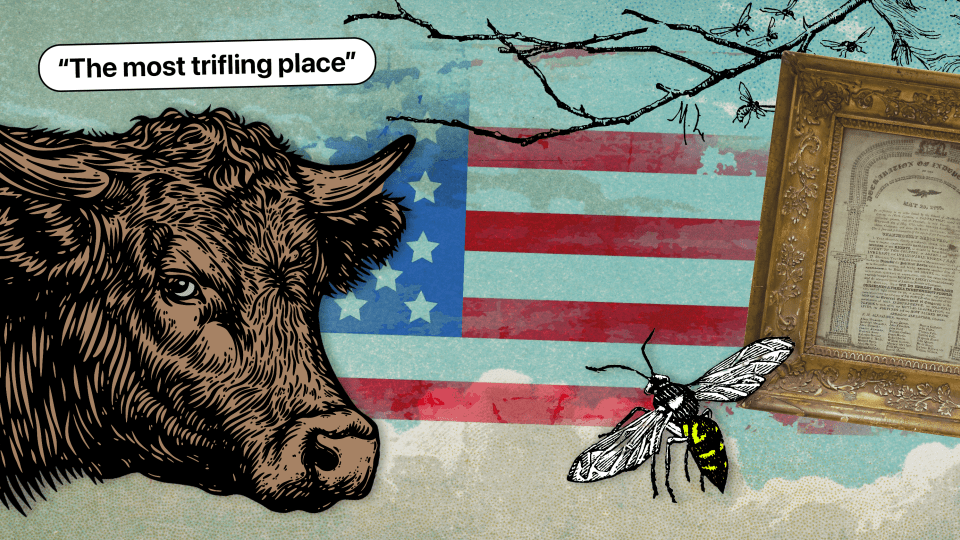
I recently passed through Charlottetown during my southern tour and must confess it is a most trifling place. Despite the "Hornet's Nest" reputation of its inhabitants—who are indeed a brave and hospitable sort—the village itself is quite wretched. It consists of little more than a decaying courthouse and a few scattered dwellings.
I lodged at Captain Cook's inn, which offered a decent tavern but at the dearest bill I have yet encountered on the road. While the patriotism of these Mecklenburgers is beyond reproach, their village is notable more as an intersection of trading paths than as a center of pleasing regularity and refinement. One star.
This article was originally published in the Spring/Summer 2026 print issue of the Davidson Journal Magazine; for more, please see the Davidson Journal section of our website.