Want to Bet? A Closer Look at Legal Sports Betting
January 16, 2026
- Author
- Mary Elizabeth DeAngelis

As new scandals involving college and professional athletes pop into our news feeds and sports gambling addiction becomes a growing problem, Prof. Kevin McElrath and his students explore the impact of legal sports betting.
On Course
The Course: WRI 101: Sports Betting and Society
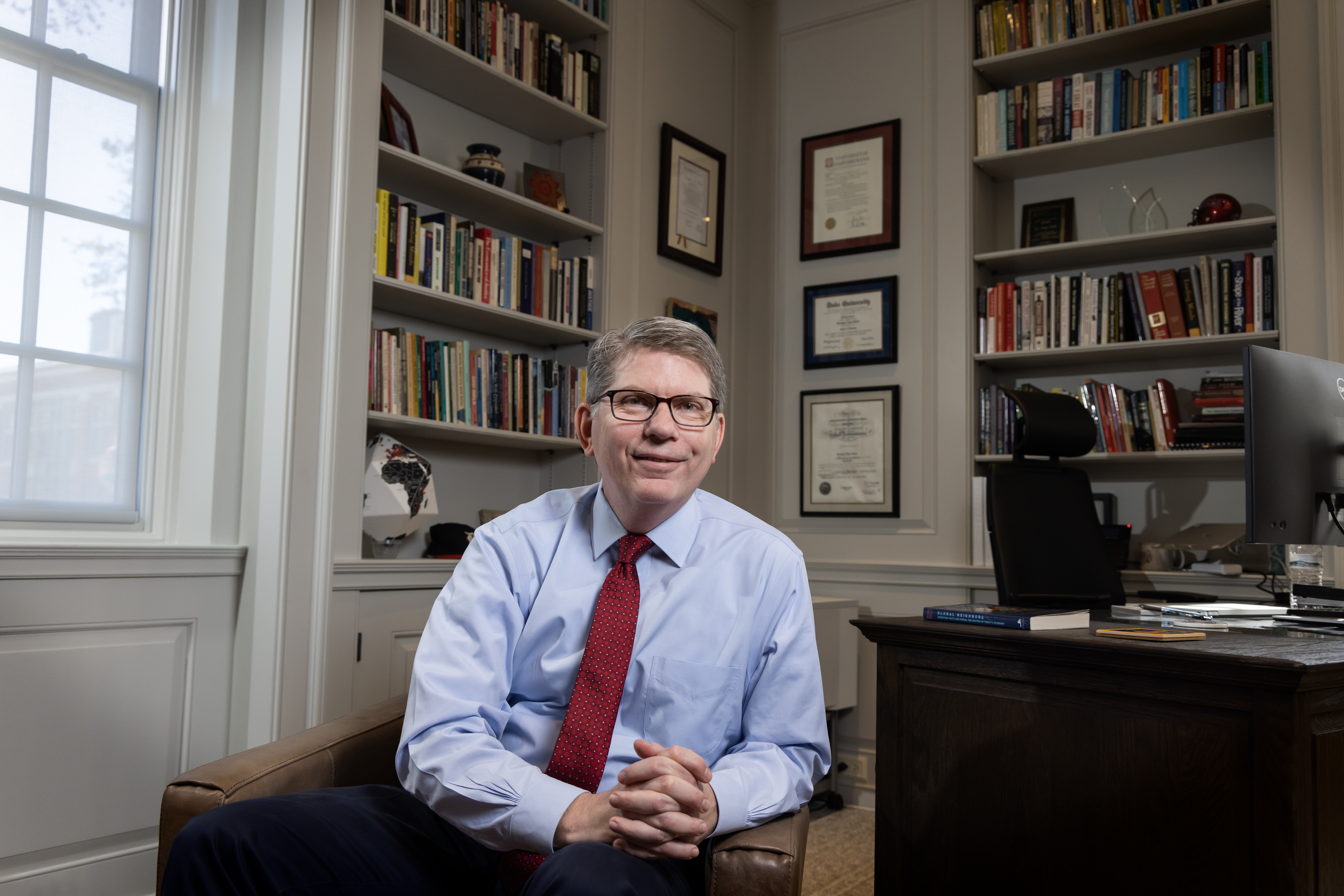
The Instructor: Kevin McElrath, Visiting Assistant Professor of Educational Studies; Research Director, College Crisis Initiative (C2i)
The course descriptor poses these questions: Why have states legalized sports betting in recent years? What role does sports betting play within broader social and economic systems? How can we better understand the culture of sports betting using the sociological imagination?
McElrath explains:
The What
Over the last six years, since the monumental Professional and Amateur Sports Protection Act (PASPA) was struck down by the U.S. Supreme Court, 39 states, as well as Washington, D.C., and Puerto Rico have legalized sports betting in some form.
Most states allow mobile betting via apps like FanDuel and DraftKings. Whether you are a major sports fan or casually check in, it’s likely you have been inundated with ads from these companies encouraging you to log in and ‘play.’
The Who
I don’t have an answer on whether states should legalize sports betting or not; I have 12 highly engaged students who are happy to have this conversation at length. The students often come to class with news they have seen, and sometimes we discuss current events in real time.
The Work
I approach this course as a sort of sociology of sports betting, using concepts you might learn in an introduction to sociology course and applying them to sports betting.
I started by asking students to write an op-ed on whether sports betting should be legal and to use scholarly evidence to make their claims. More broadly, we engage with various economic and sociological articles on the topic that explore some harmful outcomes on consumer financial health and increasing rates of addiction since legalization took hold.
We explore topics including the sociological definitions of gender and masculinity and examine how an understanding of masculinity can help us better understand why young men participate in sports betting at disproportionately high rates and may be more at risk of developing problematic habits.
We examine the phenomena of the online attention economy, where companies use tactics to maximize users’ attention, and how sports betting companies fit in that dynamic. We also talk about policy, discussing the differences between access to betting on your phone versus going to a casino.
The Why
I believe this will be a major social issue throughout our students’ lives and they will have to reckon with the consequences (both negative and positive) of legalization.
It’s timely: This is happening right before our eyes.
As the college works to build the Institute for Public Good and inform the public leaders of the future, engagement with relevant and contemporary policy through the curriculum is important.
Ultimately, the course asks students to grapple with the central policy dilemma (through their writing) of whether the state’s primary obligation lies in shielding the public from harmful and addictive products or in enabling individuals to exercise their own freedoms, even when those freedoms carry risk.
This article was originally published in the Fall/Winter 2025 print issue of the Davidson Journal Magazine; for more, please see the Davidson Journal section of our website.