Laurie Bingaman Lackey ’79 was one of the few women in the biology department in the late 1970s.
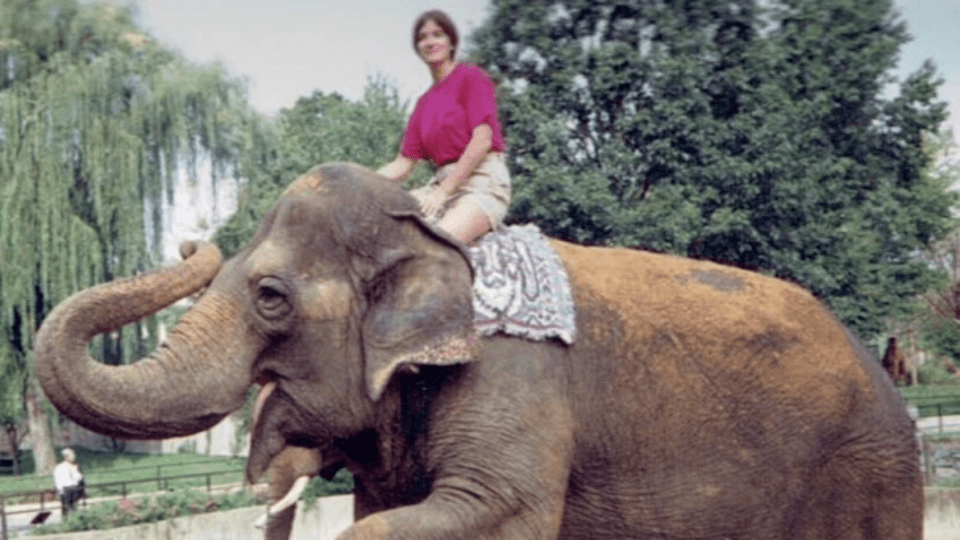
Most of her friends in the major planned to attend medical school, but Bingaman Lackey had other plans. She’d worked with large animals since she was a teenager, starting with horses.
When the Charlotte-based theme park Carowinds opened in 1973, she ran their petting zoo. Before graduating college, she’d worked across multiple parks and zoos with elephants, tigers, lions and more.
Encouraged by her Davidson mentors to apply for a Watson Fellowship, she was selected and spent the year after graduation working in zoos across Europe. She didn’t realize it at the time, but she was building a network that would launch her career.
“After 15 years at the National Zoo in Washington, D.C., I was living near Asheville and got a call from a colleague in Minnesota asking if I’d help build an international cloud-based system for zoos around the world,” Bingaman Lackey said. “The internet barely existed, but zoos needed a way to share data on each animal’s species, sex, birthdate, parents, where it lived, what it ate, veterinary records — everything in real time.”


Today, the Species360 network’s data on four million animals informs the cooperative breeding and management practices at more than 1,400 zoos across 90 countries.
Working with a wide range of animals keeps her interested — she was responsible for giraffe and cheetah populations for almost 30 years and taught hundreds of zoo professionals the skills in genetics and population modelling needed to manage their own species.
“Davidson taught me the importance of building your network,” she said. “On a daily basis, I’m talking to people from the US to Sweden to Indonesia who are passionate about this work. Our focus on the ever-increasing number of endangered species drives us all.”