My Davidson | A Student Blog From Uncertainty to Insight: How DataFest Transformed the Way I Understand Data
May 4, 2026
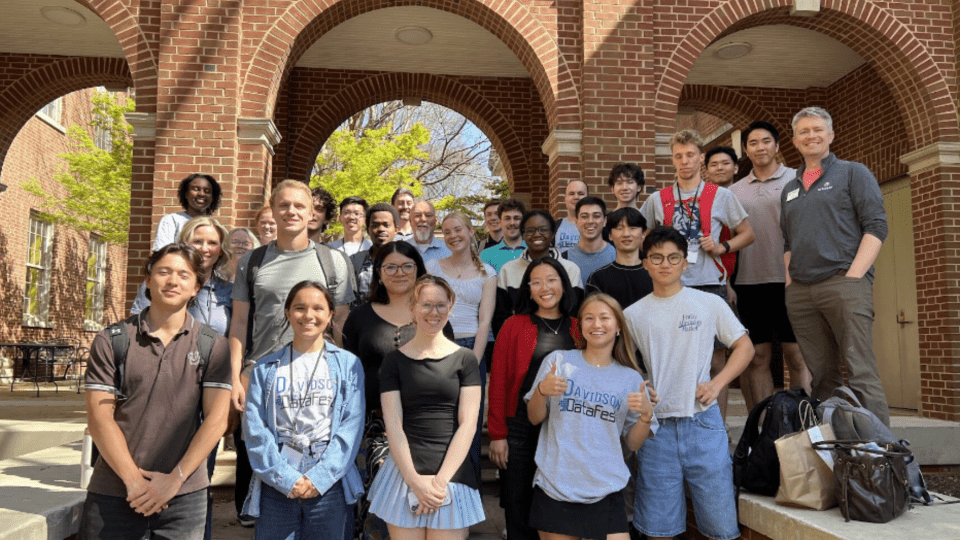
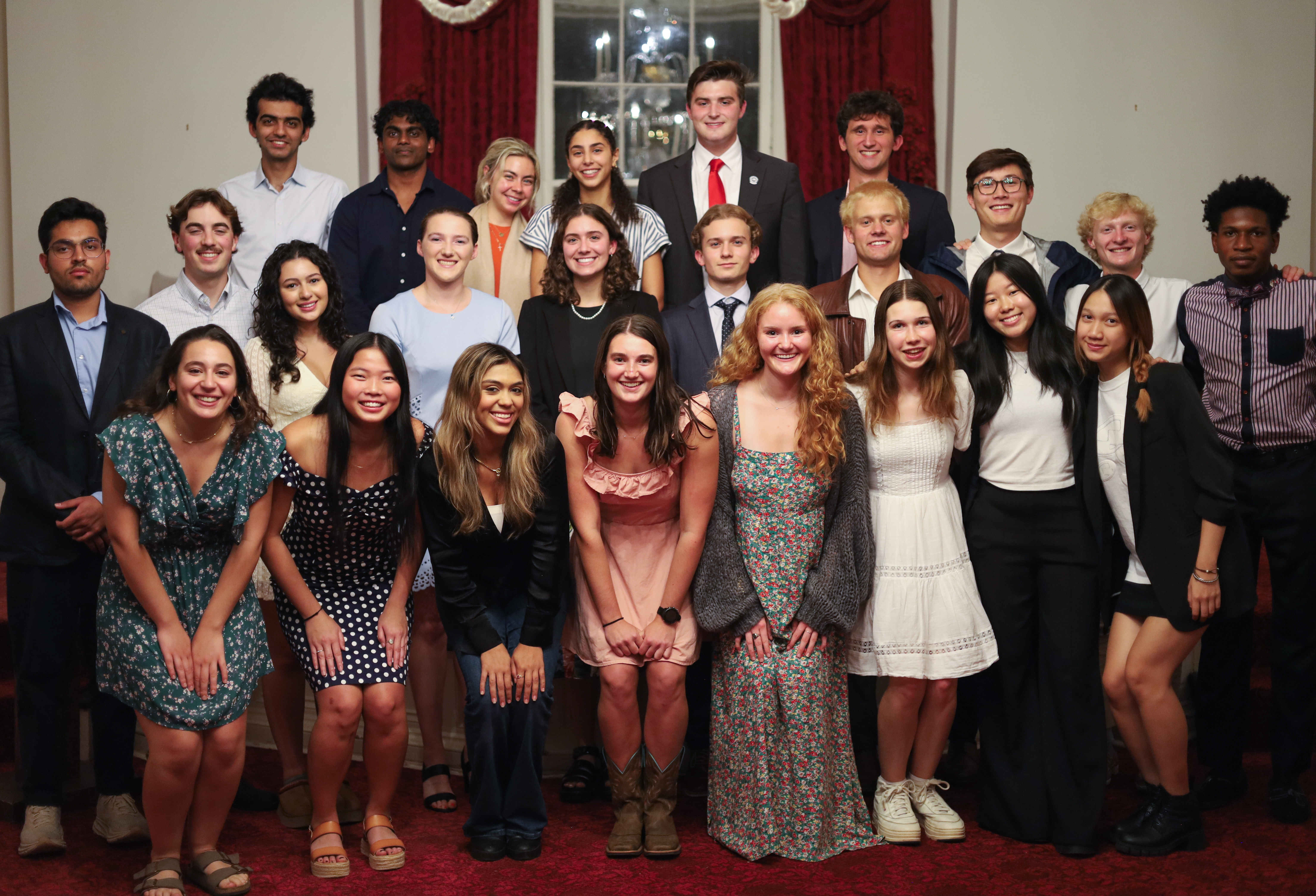
2026 DataFest Group
DataFest at Davidson College is not just a competition, but also an opportunity to learn how to code, collaborate and use data to solve real-world problems. From cleaning messy datasets to collaborating with industry leaders like Trane Technologies, Bioinformatics major Eliezer Majambere ’27 reflects on his experience.
About the Author
Eleiezer Majambere ’27 (he/him) is a Bioinformatics major from Nairobi, Kenya.
Outside of the classroom, he is a Bonner Scholar who interns at the Davidson Community Garden. He is also involved with Reformed University Fellowship (RUF).
“I chose Davidson for its strong community and rigorous academics, which have made my data-focused projects some of the most meaningful parts of my college experience.”
DataFest has become one of the most meaningful parts of my experience at Davidson. I first learned of it in the Spring 2025 semester when Professor Benbow introduced it to our class. He described it not just as a competition, but also as an opportunity to learn how to code, collaborate, and use data to solve real-world problems. That invitation stayed with me, and I decided to take the leap.
My first experience with DataFest was, honestly, overwhelming. Sitting in front of a large, unfamiliar dataset with only two days to produce meaningful insights felt intimidating. I remember not even knowing where to begin. The pressure of time, combined with the complexity of the data, made the challenge feel even more intense. But as the saying goes, where there is a will, there is always a way. My teammates and I leaned on each other, breaking the problem into smaller pieces, asking questions and gradually building a shared understanding of what the data was telling us. That collaborative process turned confusion into clarity.
One of the highlights of my experience was exactly that moment, when everything started to come together. What initially felt like noise began to reveal patterns, stories, and implications. Working as a team to interpret the data, debate its meaning and connect it to real-world issues was incredibly rewarding. Another highlight was engaging with professionals and organizations such as Trane Technologies, Commence and Red Ventures. It was inspiring to see how data is used outside the classroom to address challenges like healthcare access, housing disparities and educational inequality.

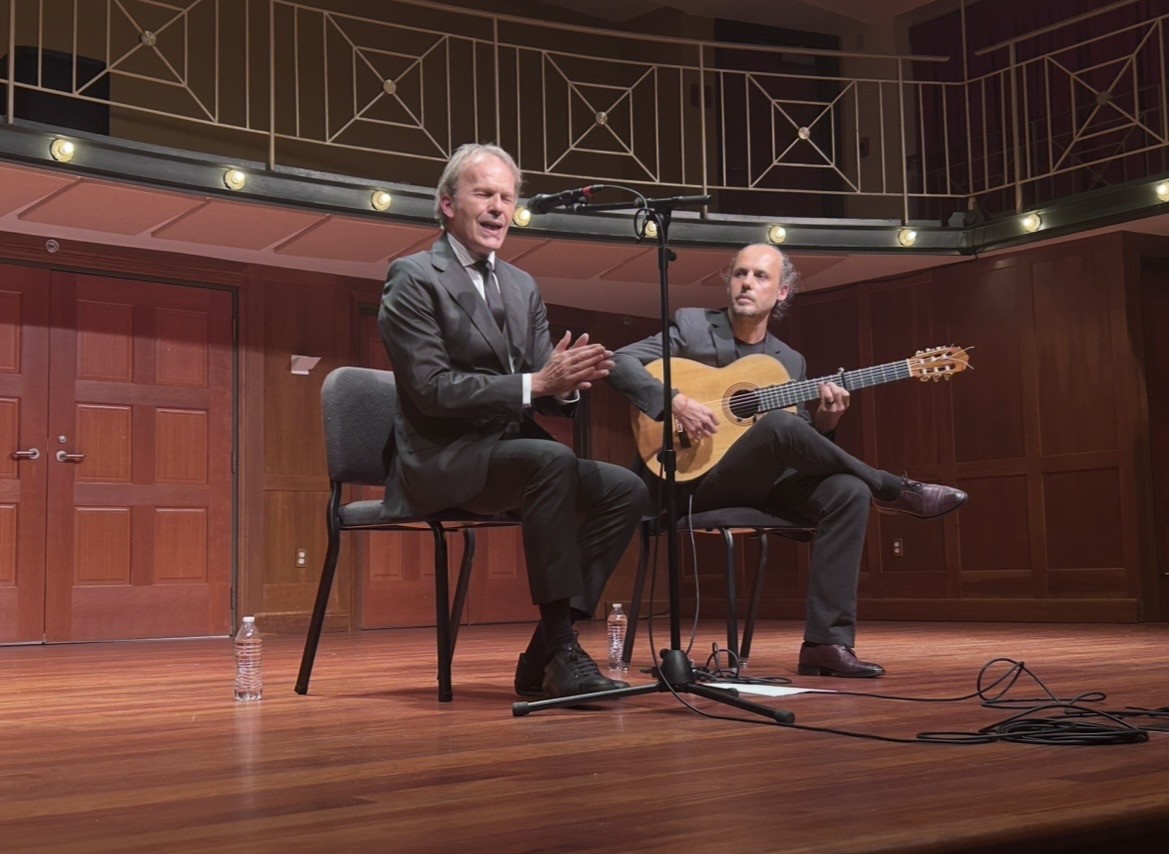
In this lecture, we learned where the data came from and how it should be used.
Through DataFest, I learned something that has reshaped how I think about data: meaningful interpretation rarely comes from a single dataset. Instead, strong conclusions emerge when multiple sources point in the same direction. When analyzing issues like healthcare disparities, I found myself looking beyond the dataset we were given, seeking additional data that could either support or challenge our findings. This process reminded me of building a more complete model, where each dataset contributes to a balanced understanding of a problem. The goal is not just to report what one dataset says, but to synthesize insights across sources to form a more reliable and nuanced conclusion.

My teammates and I leaned on each other, turning confusion into clarity.

In our presentation, my group shared results on how to improve healthcare access and infrastructure for preventable diseases.
I also learned how careful we must be with data. Small errors, overlooked assumptions or misinterpretations can lead to conclusions that are the opposite of reality. In a world increasingly driven by data, these mistakes can have real consequences, misleading decisions, reinforcing biases or promoting inaccurate narratives. DataFest taught me to approach data with both curiosity and responsibility.
Another important takeaway was the reality of working with messy, real-world data. Unlike the clean datasets we often use in class, DataFest datasets were large, unstructured and sometimes difficult to manage. We spent a significant amount of time cleaning, filtering and organizing the data before we could even begin our analysis. There were moments of frustration, computer crashes, lost progress and repeated restarts, but those challenges were part of the learning process. They showed me that data work is not just about analysis; it is also about persistence, problem-solving and attention to detail.
Looking back, DataFest has been more than just an event to me; it has been a turning point. It pushed me outside my comfort zone and helped me grow both technically and intellectually. I discovered that I enjoy working with complex, real-world problems and collaborating with others to find solutions. More importantly, I developed a deeper appreciation for the power and responsibility that come with using data.
As I continue my journey at Davidson and beyond, I carry these lessons with me. I hope to work with data in ways that are thoughtful, accurate and impactful, bringing together different perspectives to better understand the world and contribute to meaningful solutions.