Ground Control: Lauren Arkell ’22 Guides Blue Ghost Lunar Landing
February 20, 2026
- Author
- Mary Elizabeth DeAngelis
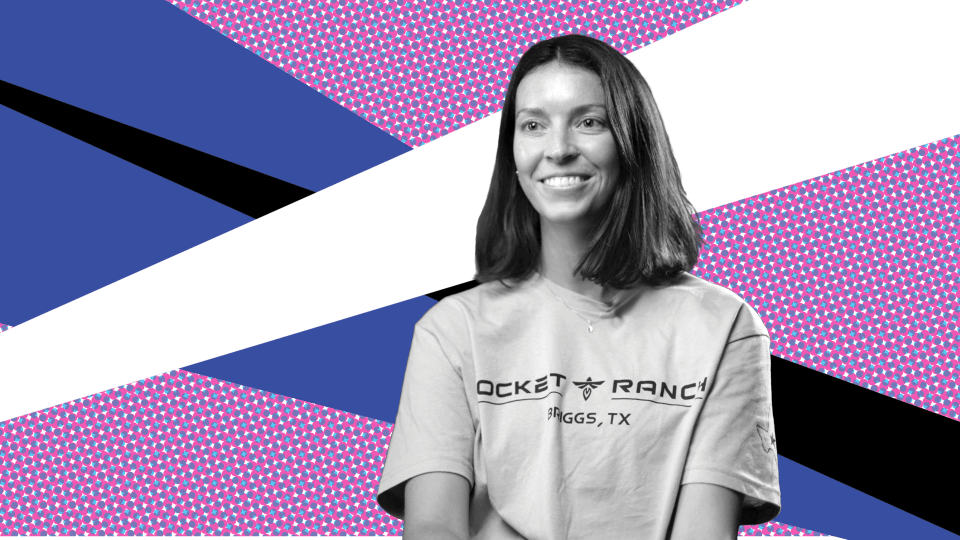
Flying a spacecraft to the moon is a team sport, and Lauren Arkell ’22 knows a bit about that.
As a women’s lacrosse attacker, she collaborated with teammates to score goals. As a physics major, her positive energy and optimism made group projects more fun and productive.
She’s also a member of a college community that includes former astronaut Tom Marshburn ’82, whose talk with a Davidson audience via satellite from outer space inspired her to pursue an aerospace career.
Arkell recently served as a flight controller for a Firefly Aerospace lunar lander participating in NASA’s Commercial Lunar Payload Services Initiative. The Blue Ghost lunar lander launched on a SpaceX Falcon 9 rocket to gather information about conditions on the moon, and how they could affect future landings.
Blue Ghost’s 45-day journey to the moon led to 14 days of surface operations, collecting data from 10 payloads (scientific and technology equipment) to study heat flow, magnetic fields and lunar dust.
Arkell first researched lunar dust—sharp glass-like shards that can pierce through an astronaut’s gear—as a NASA intern after her junior year.
Part of the Blue Ghost mission included a payload that collected data aiming to mitigate the dust’s negative impacts.
It was the first fully successful commercial lunar landing.
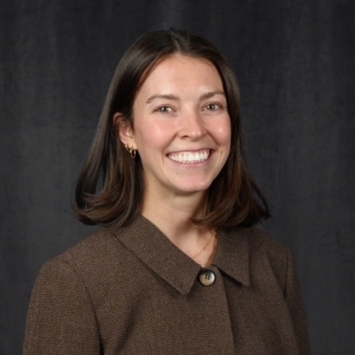
It felt unreal to command Blue Ghost, until we downlinked the first image of the Earth. We saw the image on the big screens in the control room, and the weight of what we had done really sunk in. The night of the landing was unforgettable. We were full of stress and hope. It was the best feeling when we learned we had landed successfully.
That mission accomplished, she’s now prepping for the next.
This article was originally published in the Fall/Winter 2025 print issue of the Davidson Journal Magazine; for more, please see the Davidson Journal section of our website.