Fact, Fiction and ‘Hamnet’: Prof. Emerita Cynthia Lewis on Art and Grief
March 10, 2026
- Author
- Jay Pfeifer
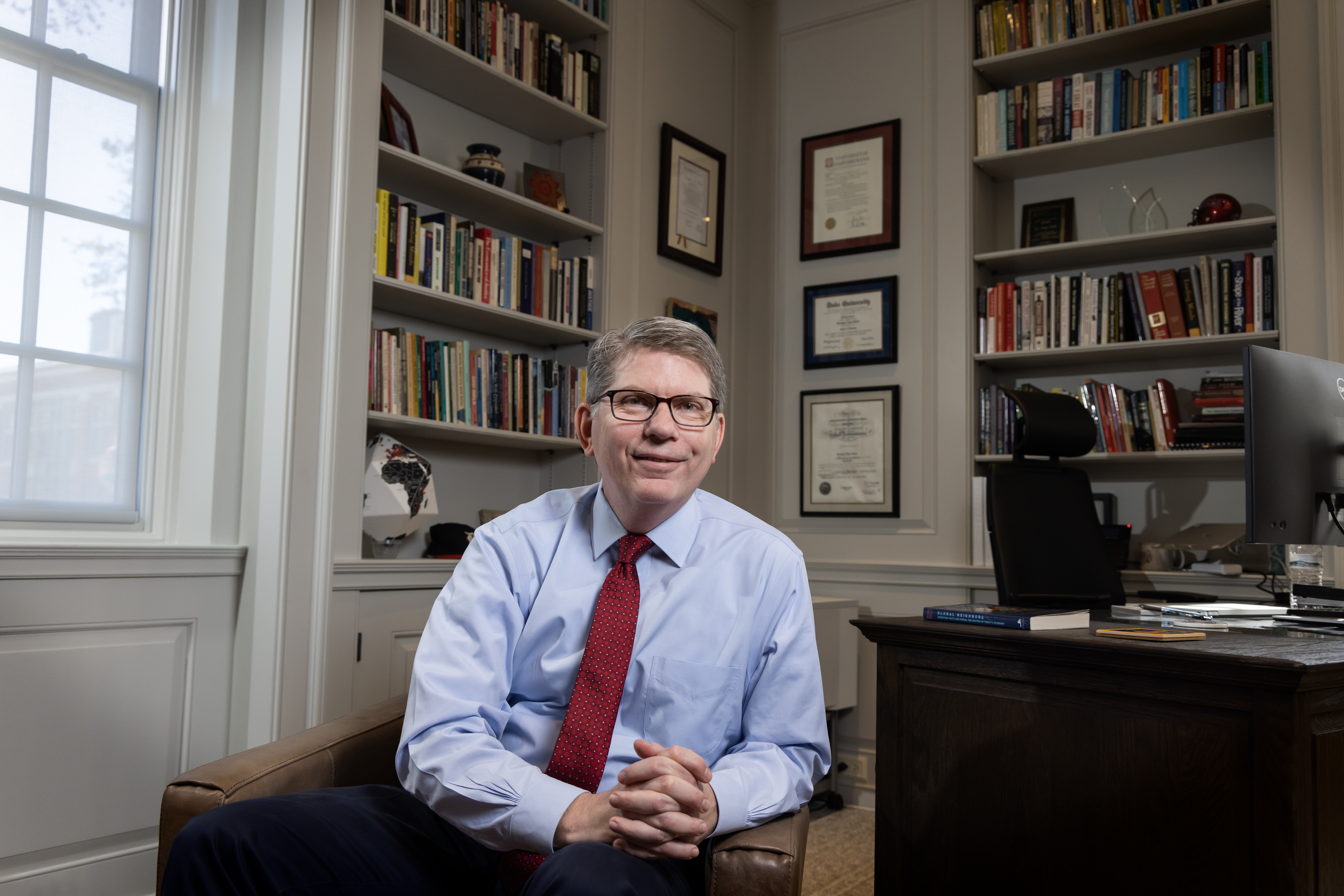
Cynthia Lewis, Charles A. Dana professor of English emerita, has taught and studied Shakespeare for decades; so when she picked up Maggie O’Farrell’s 2020 novel, Hamnet, she was a little skeptical.
The book — and the Academy Award-nominated movie that followed — propose that the death of Shakespeare’s 11-year-old son, Hamnet, directly inspired Shakespeare’s greatest tragedy, Hamlet.
However, Lewis was surprised. “I read the book in a rush because I loved it so much,” she said.
“I would really urge anyone who loved the movie to read the book. The two kind of go together as complements,” she said. “The movie is different, but it’s a beautiful work of art and valid on its own.”
Lewis shared her thoughts on the book, the film and the myths of its origin. Note: spoilers below.
How do the book and film differ?
The book is more about Shakespeare’s wife, Agnes, discovering how much Shakespeare's family means to him. O’Farrell's really interested in giving her an interior and making her a fully realized character who is equal to her husband.
I think the movie is more about the transformational power of art. That beautiful scene at the end where Agnes and the audience are reaching out to the stage is not in the book. But it shows just how affecting Hamlet can be — and how it looked when it was originally staged. (With a few exceptions. The size of the stage is noticeably smaller than that in either the original or the modern Globe Theatre.)
The movie’s ending is more sentimental than that of the book. And there’s nothing wrong with that. The book’s ending is just perfect; it’s difficult to compare them.
It’s important to remember that movies have an obligation to speak to a wider audience than books. And, of course, it’s a visual medium. Agnes, played by Jessie Buckley, doesn’t say anything during that scene but you can see it all in her expression. It’s marvelous.
O’Farrell was possessed by passion when she wrote this book, and it really is one of a kind. It’s a true expression of an artist who wrote exactly what she wanted, take it or leave it.
The director, Chloé Zhao, has a lot more voices to listen to; she has bills to pay. That’s going to affect the work.

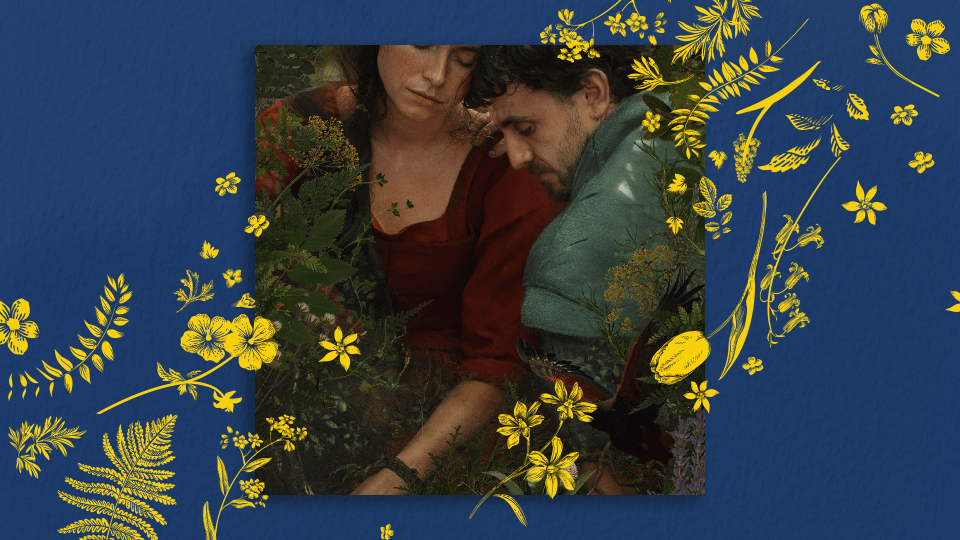
Jessie Buckley portrays Shakespeare's wife in 'Hamnet'
Both the book and the film propose that the death of Shakespeare’s son directly inspired Hamlet. Do you agree?
It's impossible for me to believe his sole motive was to work through his grief. That was one of my reservations about the book. I thought it was going to make a too-easy connection.
But grief is a factor, of course. We all work through grief tangentially. We might write about something else that enables us to process grief.
I experienced something like this. My brother died unexpectedly when he was 43. At the time, I was chairing the English department, I was staging As You LIke It with students, and I was renovating an old house. My first reaction was, “Poor me.”
And then I realized that I could use all those obligations as creative outlets. I could channel my grief into making things and making them joyful. And I think for Shakespeare, his grief has to be showing up in his writing somehow.
But is that why he wrote Hamlet? I don’t think so. For one thing, he wrote several plays between the time of Hamnet’s death and Hamlet.
And the play itself has a long history. In the English theater, there is a lost version called Ur-Hamlet that predates Shakespeare’s version by a decade or two. He didn’t necessarily write Hamlet from scratch.
What do you make of Hamnet’s chances in the Oscars?
I think it might actually sneak in and take the best picture award. But one thing I know for sure: I can't imagine anybody deserving best actress more than Jessie Buckley. She was transcendent.