Community Engaged Faculty Fellows
- Home
- Offices and Services
- The William F. and Betty G. Mulliss Center for Civic Engagement
- Faculty Programs & Resources
- Community Engaged Faculty Fellows
- About
- Fellowships & Scholarships
-
Academics
- Advising, Tutoring & Support
- Study Abroad
-
Research Opportunities
- Undergraduate Research
- External Funding Opportunities
- Faculty Funding Opportunities
- Catalyst
-
Campus Life
- Campus and Surroundings
- Health & Wellness
- Activities & Organizations
- Financial Wellness
- Get Involved
- International Student Experience
- Explore Davidson
-
Academic Departments
- Africana Studies
- Linguistics
- Public Health
- Anthropology
- Applied Mathematics
- Arab Studies
- Art Department
- Biology
- Chemistry
- Chinese Studies
- Classics
- Communication Studies
- Dance
- Data Science
- Economics
- Educational Studies
- Engineering
- English Department
- Environmental Studies
- Film, Media and Digital Studies
- French and Francophone Studies
- Gender and Sexuality Studies
- Genomics
- German Studies
- Global Literary Theory
- Hispanic Studies
- History
- Humanities
- Interdisciplinary Studies
- Latin American, Latinx, and Caribbean Studies
- Mathematics and Computer Science
- Military Science (ROTC)
- Music
- Neuroscience
- Philosophy
- Philosophy, Politics, and Economics
- Physical Education, Recreation & Wellness
- Physics
- Political Science
- Prelaw
- Premedicine and Allied Health Professions
- Religious Leadership and Service
- Pre-veterinary Medicine
- Psychology
- Religious Studies
- Russian Studies
- Structured Independent Language Program
- Sociology
- South Asian Studies
- Theatre
- Writing Program
-
Offices and Services
- Art Galleries
- Division of Student Life
- Institutional Biosafety Committee
- Ombuds Office
- Special Events & Event Services
- The Jay Hurt Hub for Innovation and Entrepreneurship
- The Office of Equity Compliance
- Archives and Special Collections
- College Communications
- College Store
- Arts & Creative Engagement
- Academic Access & Disability Resources
- Academic Affairs
- Lula Bell's Resource Center
- Animal Care and Use
- Auxiliary Services
- Controller's Office
- Post and Print
- Carnegie Guest House
- Human Subjects IRB
- CatCard Services
- Matthews Center for Career Development
- Center for Teaching and Learning
- Chidsey Center for Leadership Development
- Civic Engagement
- College Relations
- Davidson Outdoors
- Dean Rusk International Studies Program
- Dining
- Center for Student Diversity and Inclusion
- Education Abroad
-
Environmental Health and Safety
- Fire & Life Safety
-
Occupational Safety
- Contractor Safety
- Confined Space Entry Program
- Electrical Safety
- Lockout Tagout Procedure
- Ladders and Scaffolding
- Personal Protective Equipment
- Respiratory Protection
- Hearing Conservation Program
- Hand and Power Tools
- Steam System Safety
- Welding, Cutting and Brazing
- Compressed Gas Cylinders
- Construction and Excavation
- Fork Lift Safety
- Motor Vehicle Safety
- Golf Cart Safety
- Biological, Chemical & Laboratory Safety
- Chemical Inventory
- Safety Data Sheets
- Training
- Environmental
- Indoor Air Quality
- Ergonomics
- Forms and Policies
- Incident Reporting
- EHS Committee
-
Office of Fellowships
- Appointments & Contact Information
-
Fellowship Opportunities
- Beinecke Scholarship
- Boren Fellowships
- Churchill Scholarship
- Critical Language Scholarship Program
- DAAD Rise Germany
- Fulbright U.S. Student Program
- Gaither Junior Fellows Program
- Gates Cambridge Scholarships
- Goldwater Scholarships
- Knight-Hennessy Scholars
- Luce Scholarships
- Marshall Scholarships
- McCall MacBain Scholarships
- National Science Foundation Graduate Fellowships
- NOAA Hollings Scholarship
- Paul & Daisy Soros Fellowships for New Americans
- Pickering Fellowship Program
- Rangel Fellowship Program
- Rhodes Scholarships
- Schwarzman Scholars
- Smith Scholarship
- Truman Scholarships
- Udall Scholarships
- UK Summer Institutes
- Watson Fellowship
- Fellowship Resources for Faculty & Staff
- Finance & Administration
-
Office of Sponsored Programs
- Research Compliance
- Proposal Development
-
Policies
- NSF and NIH Sexual Harassment Notification Policy
- NSF and NIH Breach of Personally Identifiable Information (PII) Policy
- Conflict of Interest
- NIH and NSF Public Access Policy
- Policy and Procedure for Responsible Conduct of Research
- Effort Reporting Policy
- Export Control Policy
- Ethical Conduct in Research and Scholarship
- Financial Conflict of Interest Policy
- Full Year Sabbatical Fringe Benefits
- Grants Record Management Policy
- Drug Free Workplace
- Intellectual Property Policy
- Indirect Cost
- Postdoctoral Positions Policy
- Determination of Allowable Costs Policy
- Summer Salary Distribution
-
Post Award Management
- Procurement Policy
- Suspension and Debarment Policy and Procedure
- Grant-Related Expenditure Approval and Monitoring Procedure
- Unallowable Cost Policy
- Cost Transfer Policy
- Sub-Recipient Monitoring Policy
- Award Cash Management Service Procedure
- Hiring New Personnel
- Rebudgeting and Program Revisions
- Reporting and Closeout
- Staff
- Guest Services
- Student Health and Well-Being
- Housing and Relocation
-
Human Resources
- Benefits
- Retirement
-
Employee Guide
- Americans with Disabilities (ADA)
- Leave Accruals
- Attendance
- Background Checking Policy
- Confidentiality of Information
- Conflict of Interest
- Consensual Relationships
- Copyrights
- Dependent Tuition Assistance Policy
- Disciplinary Action
- Dress Code
- Drug-free Workplace
- Employee Designations
- Employee Files
- Employee Honor Code
- Employment and Recruitment
- Employment of Minors
- Employment of Relatives
- Family Medical Leave Act
- Firearms and Dangerous Weapons
- Funeral and Bereavement Leave
- Grievance Procedure
- Identification Cards/CatCards
- Immigration Sponsorship for College Employees
- Inclement Weather
- Jury Duty
- Long Term Disability
- Military Leave
- Non-Discrimination Policies
- Occupational Health and Safety
- Other Employment
- Overtime
- Parental Leave
- Pay During Special Circumstances
- Pet Policy
- Political Activity
- Reduced Hours and Voluntary Time Off
- References for Former Employees
- Relocation and Moving Expense Policy
- Resignation
- Retirement Health Insurance
- Short Term Disability
- Sick Leave
- Smoking Policy
- Sports Betting Policy
- Staff Tuition Policy
- Support for Lactation Policy
- Remote Work Policy
- Transfer, Promotion and Classification
- Use of College-owned Equipment and Work Areas
- Vacation
- Vehicles/Parking
- Volunteer Policy
- Voting
- Work Schedules
- Workers Compensation
- Employee Resources
- Manager Resources
- Work at Davidson
- Student Employment
- HR Staff
- Institutional Effectiveness
- International Student Engagement
- Investment Office
- July Experience
- Laundry Self-Service Facilities
- Motor Pool Services
- Physical Plant
- Public Safety
-
Registrar
- Academic Calendars
- Course Offerings
- Course Registration and WebTree Overview
- Holistic Advising
- Student Schedules, Grades, Add/Drop
- Transcripts
- Record Requests & Forms
- Graduation Requirements
- Transfer Credit
- New Student Resources
- Faculty Resources
- College Catalog
- Academic Regulations
- FERPA
- Graduating Class Profiles
- Staff
- Religious and Spiritual Life
- Residence Life
- Staff Council
-
Student Activities
-
Student Organizations
- Academic Clubs and Societies
- Affinity & Identity Organizations
- Civic Engagement Council
- Fraternity & Sorority Life (Patterson Court Council)
- Health & Wellness Organizations
- Media Organizations
- Performance Groups
- Political Organizations
- Pre-Professional Organizations
- Religious Organizations
- Special Interest and Recreational Organizations
- Programs
- Student Activities Staff
-
Student Organizations
- Sustainability Office
-
Technology & Innovation
- Getting Started
- Services
-
IT Guidelines & Policies
- Artificial Intelligence Policy
- Emeriti Technology Policy
- Davidson College Technology Terms of Service
- Account Management
- College Access to Electronic Communications Policy
- Computer Workstation Purchasing
- Copyright Compliance with Laws and Acts
- Data Privacy Statement
- Data Security Policy
- Desktop Computer Support
- Guidelines for Mass Email Communications
- Information Security Plan
- Information Systems Security Policy
- Log Retention Guidelines
- Moodle Usage Tracking
- Purchasing Technology
- About
- Staff
- The Farm at Davidson
- Wildcat Wellness
- Accessibility
-
Library
- The George Lawrence Abernethy Library
- Using The Library During Construction
- About the Library
- Faculty Services
- Letterpress Lab
- Staff Benefits & Resources
- Staff by Department
-
Admission and Financial Aid
- Request Information
- Apply
- Visit
- Admission Process & Help
- Commitment to Affordability
- Access & Belonging
- En Español
- Admission & Aid Timeline
-
Financial Aid
- Applying for Aid
- Types of Financial Aid
- Policies & Resources
- Financial Aid Frequently Asked Questions
- Contact Financial Aid
- Cost of Attendance
- Counselor Resources
- Contact Admission & Ambassadors
-
Alumni and Families
- Alumni Careers & Networking
- Events & Programming
- Volunteer for Davidson
- Alumni Communities
- Young Alumni & Current Students
- Parents & Families
- Resources & Contacts
- Commencement
- The Arts
- New Students
- Live Stream
- Alert
- 'Cat Cam Live Video
- Diversity, Equity, Inclusion
- Giving
-
News & Events
-
Davidson Journal
- Spring/Summer 2026 Issue
- Fall/Winter 2025 Issue
- Spring/Summer 2025 Issue
- Fall/Winter 2024 Issue
- Spring/Summer 2024 Issue
- Fall/Winter 2023 Issue
- Spring/Summer 2023 Issue
- Fall/Winter 2022 Issue
- Spring/Summer 2022 Issue
- Fall/Winter 2021 Issue
- Spring/Summer 2021 Issue
- Fall/Winter 2020 Issue
- All Davidson Journal Stories
- My Davidson
- Social Media Hub
-
Davidson Journal
- Discover Davidson College
- Athletics
- Name the Wildcat
- AI
- April 18, 2024 – Historic Gifts to Transform Library
- April 23, 2025 – Campus Update and Webinar Invitation
- August 1, 2022 – Message from President Doug Hicks '90
- August 19, 2025 – New School Year Update: Building on Strength
- August 22, 2023 – Key Initiatives & Strategic Planning for This Academic Year
- August 23, 2024 – Fostering A Community of Trust
- August 27, 2024 – Launching Into The New Year, and The Future
- December 1, 2022 – Inauguration Information and Planning
- Institute for Public Good
- January 21, 2025 – Welcome to Spring 2025 at Davidson College
- June 19, 2023 – Juneteenth and Our Continuing Work at Davidson
- June 3, 2025 – Summer Update from President Hicks
- March 20, 2025 – Our Commitments to Freedom of Expression and Mutual Respect
- March 7, 2023 – Our Commitment to Freedom of Expression
- October 5, 2023 – Update on Davidson College’s Strategic Planning
- September 2, 2024 – Strategic Plan and Updates
- TEDxDavidson College
The Community Engaged Faculty Fellows program is a year-long opportunity that supports faculty to deepen their community engaged scholarship, build the capacity of our local community in the Charlotte region, and provide input into faculty resources for community-engaged and experiential learning.
Community engaged scholarship can focus on a range of issues (e.g., food justice, poverty, educational equity, literacy, public health, housing) and take a range of forms (e.g., community-based research, action research, policy work, consulting and capacity building projects incorporated into courses). Regardless of the issue or specific enactment, the faculty fellow(s) focus on a community-defined need understood through conversation and dialogue with the community. The goal of the program is not to develop more campus-based programs, but to engage within existing structures and networks on and off campus. The William F. and Betty G. Mulliss Center for Civic Engagement team helps identify and make connections with community leaders and organizations that focus on a particular area of interest.
The faculty fellow(s) receive a $15,000 grant and are expected to:
- Incorporate community-based learning components into at least 1 course during the 23-24 academic year.
- Work on a community-engaged scholarship project of interest that is aligned with a community-defined need and Mulliss Center partnerships.
- Offer one workshop, talk, or discussion during the academic year related to the community-engaged project or community-engaged pedagogy. The Mulliss Center team will help coordinate all event logistics.
- Provide input into the development of community-engaged and experiential learning resources for faculty.
- Engage with other faculty in one on-campus professional development opportunity related to community engaged learning each semester. The Mulliss Center team will coordinate all event logistics.
2026-27 Community Engaged Faculty Fellows

Pete Benbow
James B. Duke Assistant Professor of the Practice in Data Science
Pete’s current community-engaged learning interests focus on communicating the social and economic history of Cabarrus County, North Carolina through a multi-format approach to data journalism. This will include short-form "data briefs," long-form "feature stories," and open-access tools like data repositories and interactive dashboards that citizens can use to explore the data independently and for free.
Through the fellowship role, he will engage with local journalists and community leaders to uncover data-driven stories that can create the greatest socioeconomic good in Cabarrus County. By publishing these stories, presenting to local groups, and collaborating with non-profit organizations, he hopes to build a sustainable platform that can cultivate a conscientious, engaged, and data-literate citizenry for years to come. He will also incorporate community-engaged learning elements into his course DAT 153: Database Programming (Spring 2027) by teaching his students how to ethically collect and model community data sources using analytical database management systems like DuckDB.
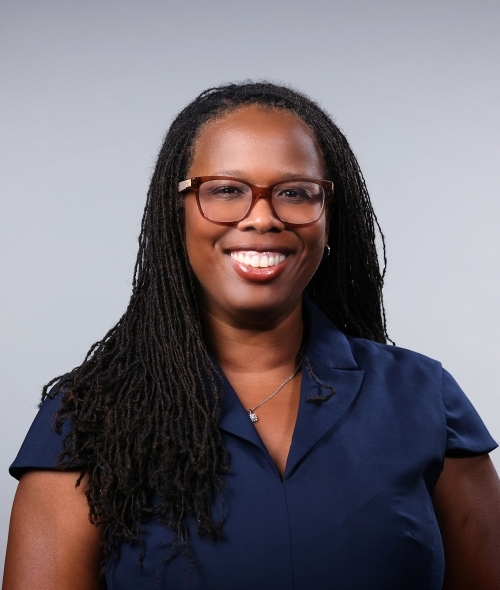
Shanika Jerger Butts, Ph.D.
Assistant Professor of Public Health
Shanika’s community-engaged learning interests focus on improving maternal health outcomes in North Carolina. Shanika conducts community-based research related to health disparities, preconception care and systemic clinical care issues that impact Black women at reproductive age. Her work often involves partnering with community-based maternal health organizations in Charlotte to aid in research to improve accessibility of services for the purpose of improving overall wellness during the perinatal period. Through the fellowship role, she will partner with community partner, Jace’s Journey, to apply research findings on support needs for women after stillbirth, which will include the Support to Thrive after Stillbirth Toolkit. Through this partnership, Shanika will engage Davidson College students in activities to support the advocacy work of Jace’s Journey by researching, developing, and disseminating policy briefs to state and federal policy makers. She will also incorporate community-engaged learning elements into her course(s): US Maternal Health Disparities.
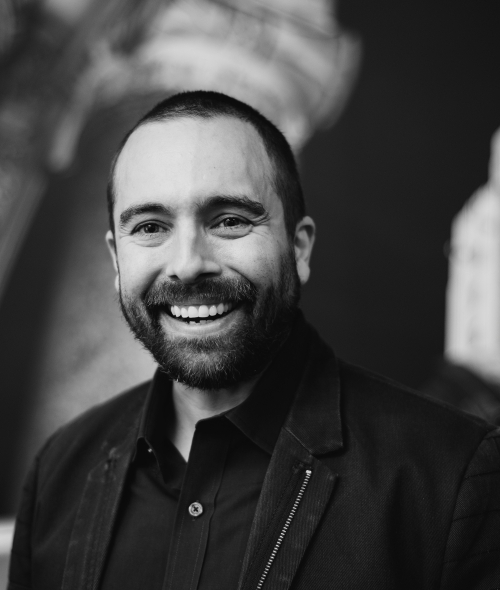
John Corso-Esquivel, Ph.D.
Chair & Associate Professor of Art
Dr. Corso-Esquivel’s current community-engaged learning interests focus on mapping Charlotte’s visual arts ecosystem with a special emphasis on community-driven and social justice-oriented initiatives. His work brings together oral history, digital humanities, and collaborative partnerships to foster reciprocal learning between students and local arts organizations. Through the fellowship role, Dr. Corso-Esquivel hopes to deepen his relationships with Charlotte-based institutions such as the McColl Center and the Mint Museum, while also developing public-facing resources that document and strengthen artistic networks across the region. He aims to train students in community-based research practices that support underrepresented artists and promote dialogue through the arts.
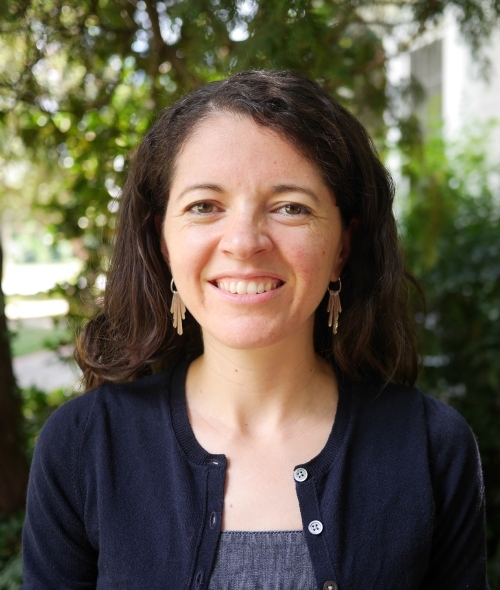
Jennifer Garcia Peacock, Ph.D.
Thomson Associate Professor of Environmental Studies
Jennifer Garcia Peacock has devoted her teaching practice to creative approaches to the study of environmental humanities, environmental justice, Latinx art, and visual culture. Her current community-engaged work focuses on arts-based environmental advocacy, drawing on a decade of global collaborations with artists, activists, and cultural organizations. Through her fellowship, she will work with environmental organizations through her ENV 160 Environmental Justice class to develop meaningful advocacy tools utilizing archival research, ecomedia, and visual analysis.
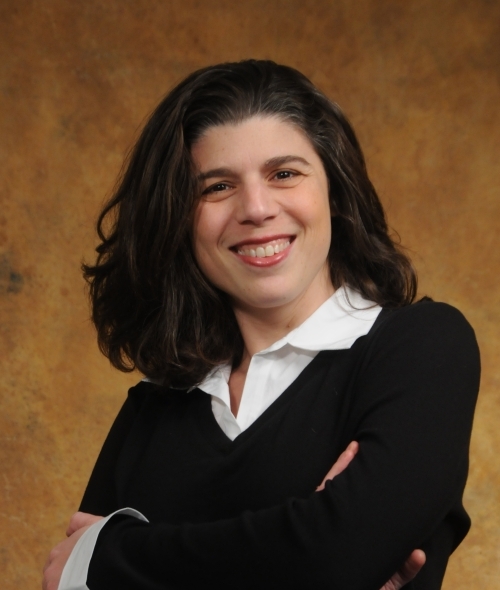
Sharon Green, Ph.D.
Professor of Theatre
Sharon’s current community-engaged learning interests focus on the intersections of civic dialogue, intergenerational relationships, arts and health, and community-based theatre histories. Through the fellowship role, she will strengthen collaborations with Charlotte-based Three Bone Theatre and learn more about the “Arts on Prescription” initiative launching in Charlotte. She will also incorporate community-engaged learning elements into her course Theatre History and Historiography (THE 371).
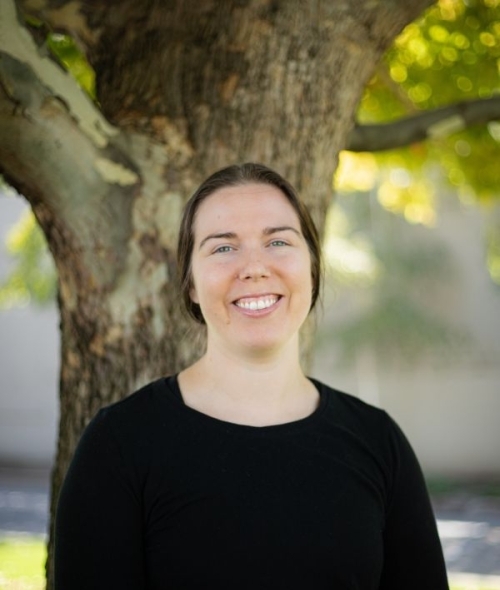
Caitlin Reynolds, Ph.D.
Visiting Assistant Professor of Psychology
Caitlin’s current community-engaged learning interests focus on supporting quality end-of-life care and sharing the lived experience of dying people with the community. Through the fellowship, she will learn how to facilitate experiential learning into course design and build meaningful partnerships with community leaders. She ultimately hopes to humanize end-of-life issues to support students' breadth of understanding and provide a platform for the community to share their perspectives. She will incorporate community-engaged learning elements into her course: PSY 226- Death & Dying.
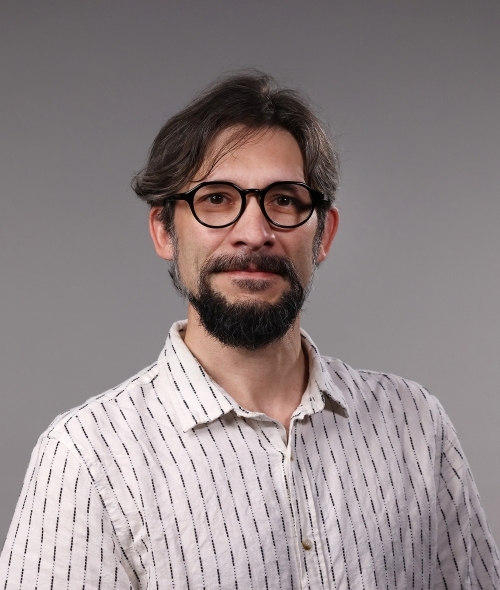
Tyler Starr, Ph.D.
Associate Professor of Art
Drawing on his background in printmaking and studies in Japan, Prof. Starr conducts collaborative art workshops that introduce participants to innovative image-making techniques exploring how the visual arts can facilitate healing. Prof. Starr will focus his fellowship on the expansion of art workshops with regional non-profit providers of grief support and organizations empowering individuals with special needs. A primary objective is further integration of these community partnerships into the curriculum of his courses Art 105: Introduction to Print Media, Art 107: Introduction to Works on Paper, and Art 205: Advanced Printmaking.
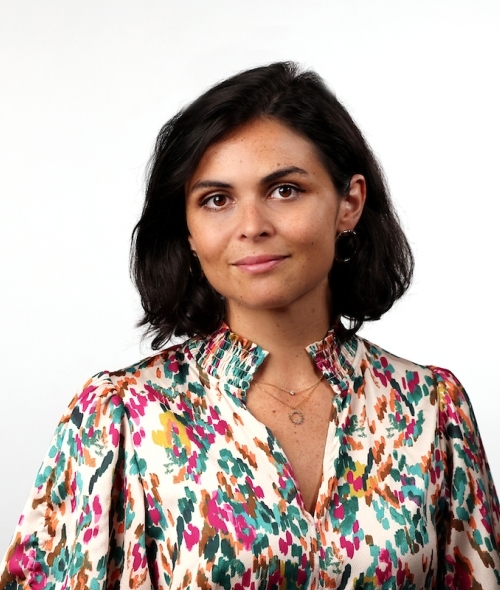
Ninon Vessier, Ph.D
Assistant Professor of French & Francophone Studies
Ninon’s current community-engaged learning interests focus on migration and diaspora stories of Francophone communities in the region. Through the fellowship role, she will partner with French-speaking communities in the greater Charlotte area and focus on collaboration between the classroom and these communities. She will also develop public-facing resources of Francophone migration stories. She aims to train students in community-based research methods and archiving, while developing their ability to critically apply postcolonial, migration, and diaspora theories to real-world narratives. She will also incorporate community-engaged learning elements into her course, French 491: Migration in the French-speaking world, in fall 2026, and French 220 Francophone Humanities in Spring 2027.
2025-26 Fellows
Dr. Gerardo Martí
William R. Kenan Jr. Endowed Professor of Sociology
Dr. Randi Gill-Sadler
Assistant Professor of English and Africana Studies
Dr. Rebeca Fernandez
Writing Center Director, Professor of Writing & Educational Studies
Dr. John Corso-Esquivel
Associate Professor of Art
2024-25 Fellows
Vanessa Casteñeda, Ph.D.
Assistant Professor of Afro-Latin American Studies
Takiyah Harper-Shipman, Ph.D.
John D. and Catherine T. MacArthur Associate Professor of Africana Studies
Rose Stremlau, Ph.D.
Associate Professor of History
Susana Wadgymar, Ph.D.
Assistant Professor of Biology
2023-24 Fellows
Sally Lawrence Bullock, PhD, MPH
Assistant Professor, Department of Public Health
Brittany Murray, Ph.D.
Malcolm O. Partin Assistant Professor of Educational Studies & Political Science
Jessica Worl, Ph.D.
Assistant Professor, Environmental Studies and Core faculty in Gender and Sexuality Studies