Community Engaged Faculty Fellows
The Community Engaged Faculty Fellows program is a year-long opportunity that supports faculty to deepen their community engaged scholarship, build the capacity of our local community in the Charlotte region, and provide input into faculty resources for community-engaged and experiential learning.
Community engaged scholarship can focus on a range of issues (e.g., food justice, poverty, educational equity, literacy, public health, housing) and take a range of forms (e.g., community-based research, action research, policy work, consulting and capacity building projects incorporated into courses). Regardless of the issue or specific enactment, the faculty fellow(s) focus on a community-defined need understood through conversation and dialogue with the community. The goal of the program is not to develop more campus-based programs, but to engage within existing structures and networks on and off campus. The William F. and Betty G. Mulliss Center for Civic Engagement team helps identify and make connections with community leaders and organizations that focus on a particular area of interest.
The faculty fellow(s) receive a $15,000 grant and are expected to:
- Incorporate community-based learning components into at least 1 course during the 23-24 academic year.
- Work on a community-engaged scholarship project of interest that is aligned with a community-defined need and Mulliss Center partnerships.
- Offer one workshop, talk, or discussion during the academic year related to the community-engaged project or community-engaged pedagogy. The Mulliss Center team will help coordinate all event logistics.
- Provide input into the development of community-engaged and experiential learning resources for faculty.
- Engage with other faculty in one on-campus professional development opportunity related to community engaged learning each semester. The Mulliss Center team will coordinate all event logistics.
2026-27 Community Engaged Faculty Fellows

Pete Benbow
James B. Duke Assistant Professor of the Practice in Data Science
Pete’s current community-engaged learning interests focus on communicating the social and economic history of Cabarrus County, North Carolina through a multi-format approach to data journalism. This will include short-form "data briefs," long-form "feature stories," and open-access tools like data repositories and interactive dashboards that citizens can use to explore the data independently and for free.
Through the fellowship role, he will engage with local journalists and community leaders to uncover data-driven stories that can create the greatest socioeconomic good in Cabarrus County. By publishing these stories, presenting to local groups, and collaborating with non-profit organizations, he hopes to build a sustainable platform that can cultivate a conscientious, engaged, and data-literate citizenry for years to come. He will also incorporate community-engaged learning elements into his course DAT 153: Database Programming (Spring 2027) by teaching his students how to ethically collect and model community data sources using analytical database management systems like DuckDB.
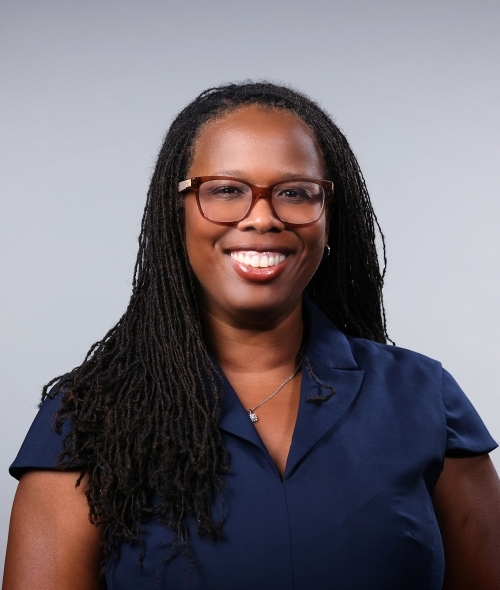
Shanika Jerger Butts, Ph.D.
Assistant Professor of Public Health
Shanika’s community-engaged learning interests focus on improving maternal health outcomes in North Carolina. Shanika conducts community-based research related to health disparities, preconception care and systemic clinical care issues that impact Black women at reproductive age. Her work often involves partnering with community-based maternal health organizations in Charlotte to aid in research to improve accessibility of services for the purpose of improving overall wellness during the perinatal period. Through the fellowship role, she will partner with community partner, Jace’s Journey, to apply research findings on support needs for women after stillbirth, which will include the Support to Thrive after Stillbirth Toolkit. Through this partnership, Shanika will engage Davidson College students in activities to support the advocacy work of Jace’s Journey by researching, developing, and disseminating policy briefs to state and federal policy makers. She will also incorporate community-engaged learning elements into her course(s): US Maternal Health Disparities.
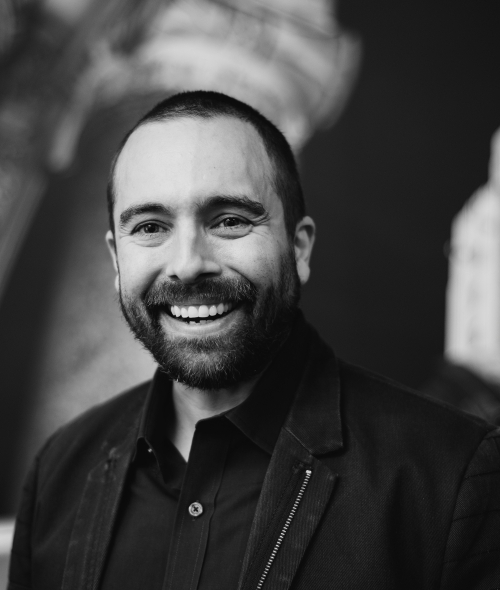
John Corso-Esquivel, Ph.D.
Chair & Associate Professor of Art
Dr. Corso-Esquivel’s current community-engaged learning interests focus on mapping Charlotte’s visual arts ecosystem with a special emphasis on community-driven and social justice-oriented initiatives. His work brings together oral history, digital humanities, and collaborative partnerships to foster reciprocal learning between students and local arts organizations. Through the fellowship role, Dr. Corso-Esquivel hopes to deepen his relationships with Charlotte-based institutions such as the McColl Center and the Mint Museum, while also developing public-facing resources that document and strengthen artistic networks across the region. He aims to train students in community-based research practices that support underrepresented artists and promote dialogue through the arts.
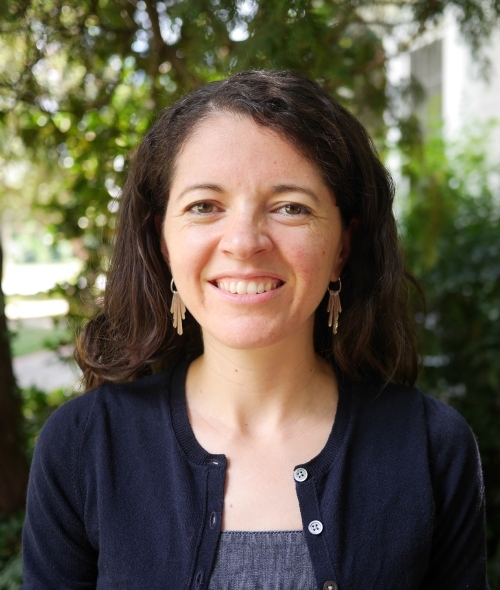
Jennifer Garcia Peacock, Ph.D.
Thomson Associate Professor of Environmental Studies
Jennifer Garcia Peacock has devoted her teaching practice to creative approaches to the study of environmental humanities, environmental justice, Latinx art, and visual culture. Her current community-engaged work focuses on arts-based environmental advocacy, drawing on a decade of global collaborations with artists, activists, and cultural organizations. Through her fellowship, she will work with environmental organizations through her ENV 160 Environmental Justice class to develop meaningful advocacy tools utilizing archival research, ecomedia, and visual analysis.
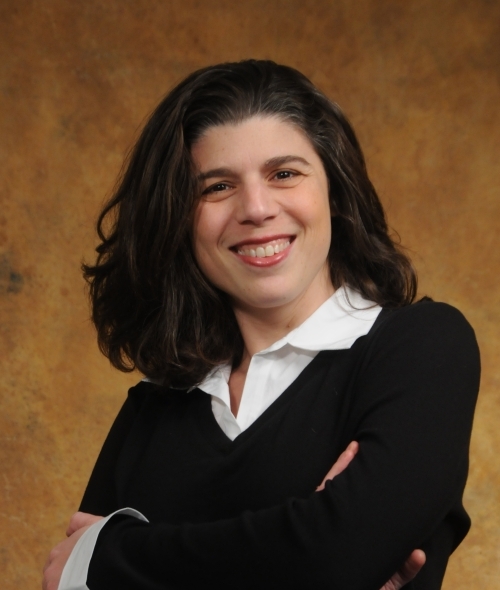
Sharon Green, Ph.D.
Professor of Theatre
Sharon’s current community-engaged learning interests focus on the intersections of civic dialogue, intergenerational relationships, arts and health, and community-based theatre histories. Through the fellowship role, she will strengthen collaborations with Charlotte-based Three Bone Theatre and learn more about the “Arts on Prescription” initiative launching in Charlotte. She will also incorporate community-engaged learning elements into her course Theatre History and Historiography (THE 371).
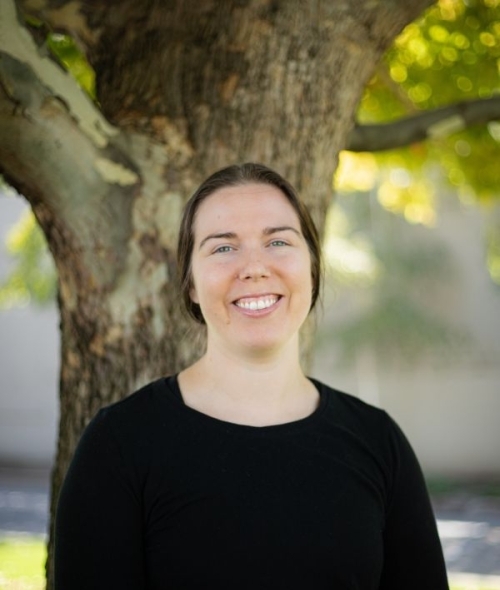
Caitlin Reynolds, Ph.D.
Visiting Assistant Professor of Psychology
Caitlin’s current community-engaged learning interests focus on supporting quality end-of-life care and sharing the lived experience of dying people with the community. Through the fellowship, she will learn how to facilitate experiential learning into course design and build meaningful partnerships with community leaders. She ultimately hopes to humanize end-of-life issues to support students' breadth of understanding and provide a platform for the community to share their perspectives. She will incorporate community-engaged learning elements into her course: PSY 226- Death & Dying.
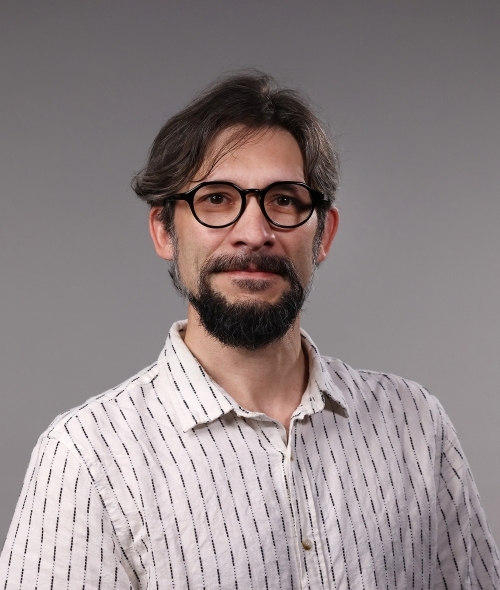
Tyler Starr, Ph.D.
Associate Professor of Art
Drawing on his background in printmaking and studies in Japan, Prof. Starr conducts collaborative art workshops that introduce participants to innovative image-making techniques exploring how the visual arts can facilitate healing. Prof. Starr will focus his fellowship on the expansion of art workshops with regional non-profit providers of grief support and organizations empowering individuals with special needs. A primary objective is further integration of these community partnerships into the curriculum of his courses Art 105: Introduction to Print Media, Art 107: Introduction to Works on Paper, and Art 205: Advanced Printmaking.
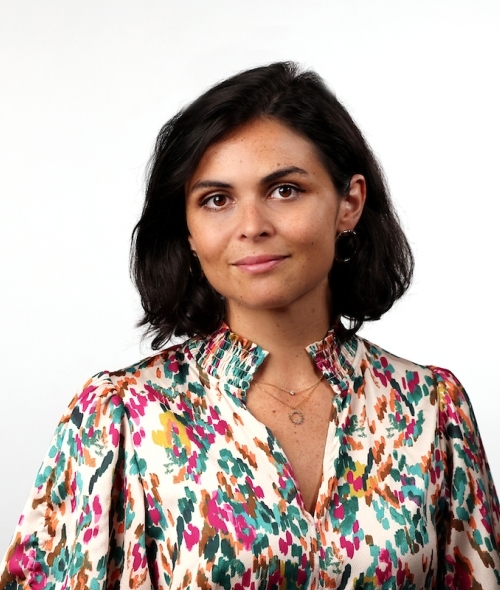
Ninon Vessier, Ph.D
Assistant Professor of French & Francophone Studies
Ninon’s current community-engaged learning interests focus on migration and diaspora stories of Francophone communities in the region. Through the fellowship role, she will partner with French-speaking communities in the greater Charlotte area and focus on collaboration between the classroom and these communities. She will also develop public-facing resources of Francophone migration stories. She aims to train students in community-based research methods and archiving, while developing their ability to critically apply postcolonial, migration, and diaspora theories to real-world narratives. She will also incorporate community-engaged learning elements into her course, French 491: Migration in the French-speaking world, in fall 2026, and French 220 Francophone Humanities in Spring 2027.
2025-26 Fellows
Dr. Gerardo Martí
William R. Kenan Jr. Endowed Professor of Sociology
Dr. Randi Gill-Sadler
Assistant Professor of English and Africana Studies
Dr. Rebeca Fernandez
Writing Center Director, Professor of Writing & Educational Studies
Dr. John Corso-Esquivel
Associate Professor of Art
2024-25 Fellows
Vanessa Casteñeda, Ph.D.
Assistant Professor of Afro-Latin American Studies
Takiyah Harper-Shipman, Ph.D.
John D. and Catherine T. MacArthur Associate Professor of Africana Studies
Rose Stremlau, Ph.D.
Associate Professor of History
Susana Wadgymar, Ph.D.
Assistant Professor of Biology
2023-24 Fellows
Sally Lawrence Bullock, PhD, MPH
Assistant Professor, Department of Public Health
Brittany Murray, Ph.D.
Malcolm O. Partin Assistant Professor of Educational Studies & Political Science
Jessica Worl, Ph.D.
Assistant Professor, Environmental Studies and Core faculty in Gender and Sexuality Studies